There are a diverse number of ways to decontaminate soil. In this blog, we detail everything you need to know about soil decontamination.
Why should I decontaminate soil?
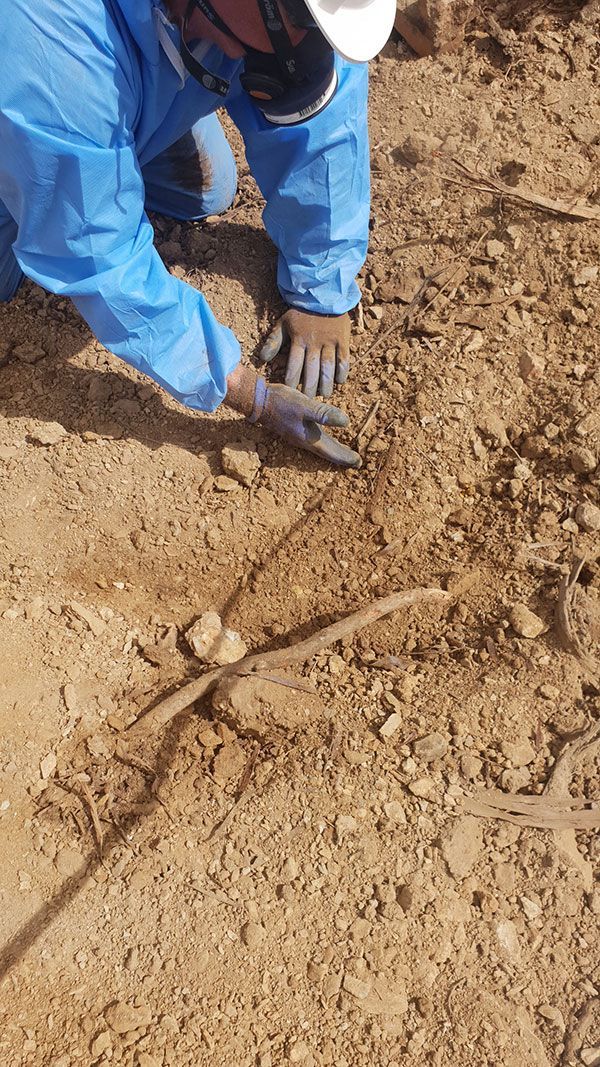
Contaminated soil can be dangerous to livestock and potentially to people through ingesting plants grown in the soil, ingesting water that the soil contaminated, breathing in violates from the soil, or absorbing the contaminants through their skin. When rehabilitating a site after use, it is important to test and decontaminate the soil to prevent health hazards to future inhabitants.
Decontamination methods
Whether you’re shifting into a new office space or renovating part of your home, a strip out and/or demolition will be required if you want it to be absolutely empty for future use. This includes getting rid of any fixtures or systems you won’t require for the future. With a strip out procedure, you can easily start with a clean canvas and have full control over the new space you want to create.
Biological treatment/bioremediation
Bioremediation is using bacteria to break down contaminants in the soil. This is effective for soil contaminated with hydrocarbons, halogenated organic solvents, halogenated organic compounds, non-chlorinated pesticides and herbicides, nitrogen compounds, metals (lead, mercury, chromium) and/or radionuclides. Bioremediation is cheaper than other disposal options but can take up to several months to carry out depending on the size of the site.
Chemical oxidation
Chemical oxidation is injecting chemical oxidants into the contaminated soil to destroy contaminants with chemical reactions. In situ chemical oxidation (ISCO) is useful when decontaminating the soil under buildings or deep under the ground. It is effective against TPH, BTEX, PCBs and other organic contaminants.
Soil stabilisation
Soil stabilisation involves one of two things; modifying the soil contaminant to be less dangerous, or locking the contaminant in place so it can’t move into groundwater, air etc. To achieve this, you insert immobilising agents into the soil, which reduces the contaminant’s leachability and bioavailability. You can also use soil stabilisation before you start work on a site to improve the durability and decrease the permeability of the soil.
Commercial strip out
Some common kitchen strip out items include benchtops, cupboards, kitchen appliances, refrigerators, microwaves, ovens, dishwashers, coffee machines, stools, kitchen fixtures, cabinets, vanities, wall tiles, and more.
Soil stabilisation
Soil stabilisation involves one of two things; modifying the soil contaminant to be less dangerous, or locking the contaminant in place so it can’t move into groundwater, air etc. To achieve this, you insert immobilising agents into the soil, which reduces the contaminant’s leachability and bioavailability. You can also use soil stabilisation before you start work on a site to improve the durability and decrease the permeability of the soil.
Physical methods
Physical methods of soil decontamination include soil washing, excavation, constructing barriers around the contaminated soil, capping, soil vapour extraction, electrochemical methods and thermal treatment. Here are some explanations on what each of these do:
Soil washing
Wash the soil with a liquid wash solution. Contaminants will wash away with silts and clays, leaving you with sand and gravel restored to its state before contamination.
Excavation
Loosen, quarry, load, haul, unload and dispose of the soil.
Constructing barriers
This is useful when your main goal is to stop large-scale contaminant migration.
Capping
Prevent precipitation from getting into the soil and creating contaminated groundwater.
Soil vapour extraction
Best for removing highly volatile substances with high vapour pressures from an unsaturated area.
Electrochemical methods
Use electro-kinetic phenomena to remove heavy metals from the soil.
Thermal treatment
Best for removing combustible substances such as solvents, petroleum, coal-derived hydrocarbons, BTEX, aromatics, PAHs, highly volatile CFCs, chlorinated herbicides or pesticides. Be mindful that thermal treatment is expensive, requires multiple treatment steps, often uses additional fuel and can have extra costs in destroying the contaminant after it is removed.
Contact Relient Civil Group
Reach out to the team at Relient Civil to discuss the best soil decontamination method for your next project site. You can speak with us today by giving us a call or filling out our online enquiry form.